Sumber Foto: Polri
Nasional
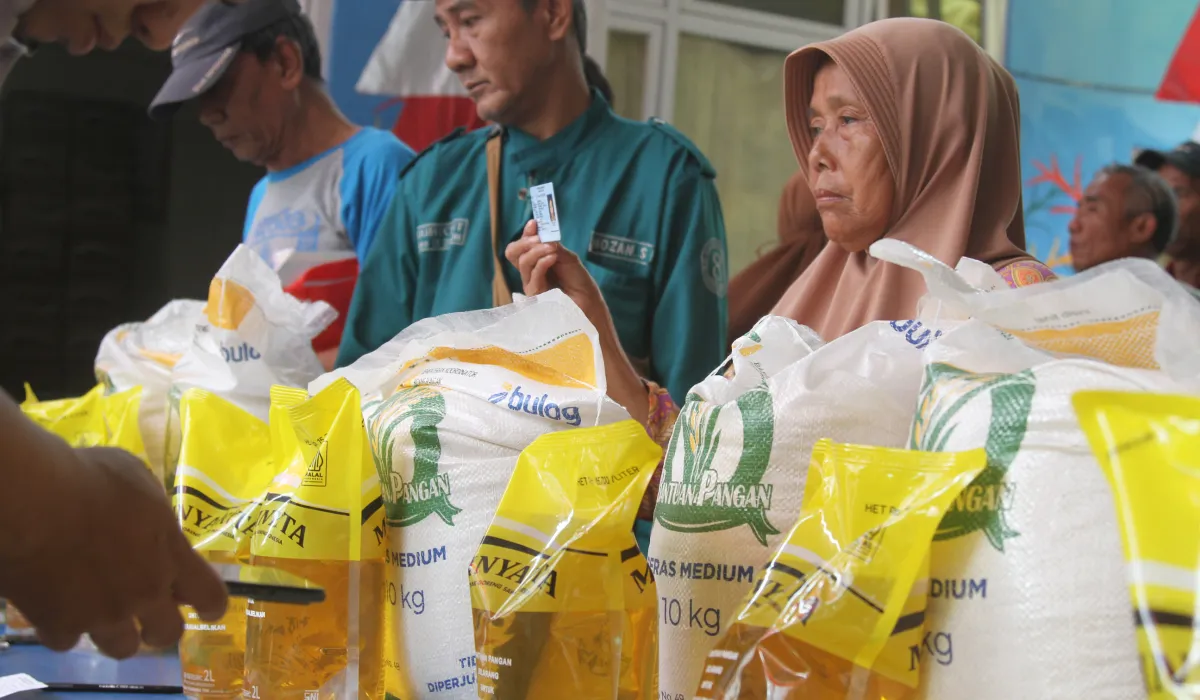
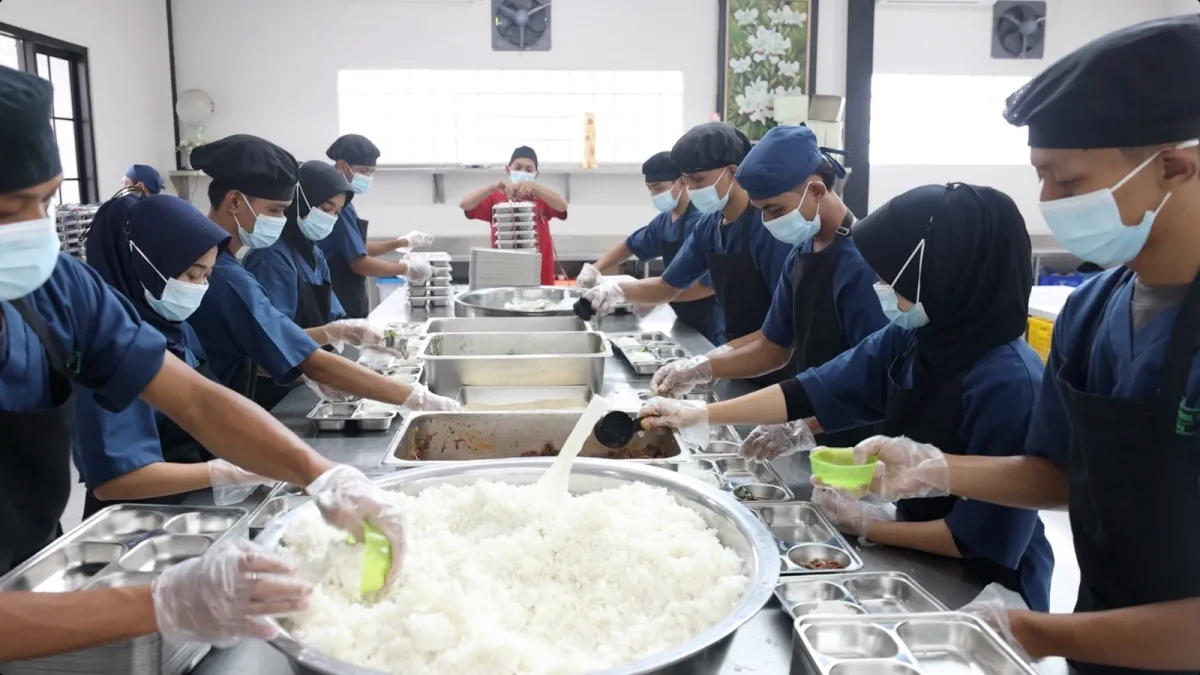
DPR Tegaskan Anggaran Pendidikan dan Program Makanan Bergizi Tidak Bertentangan
Jurnal News - National
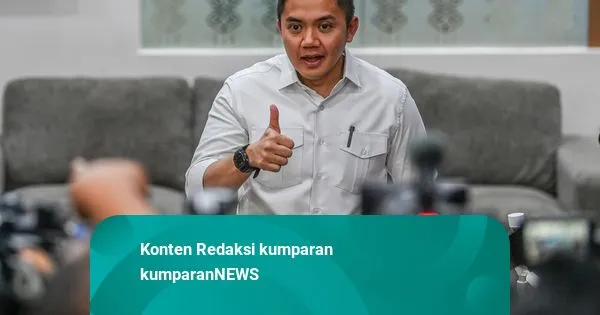
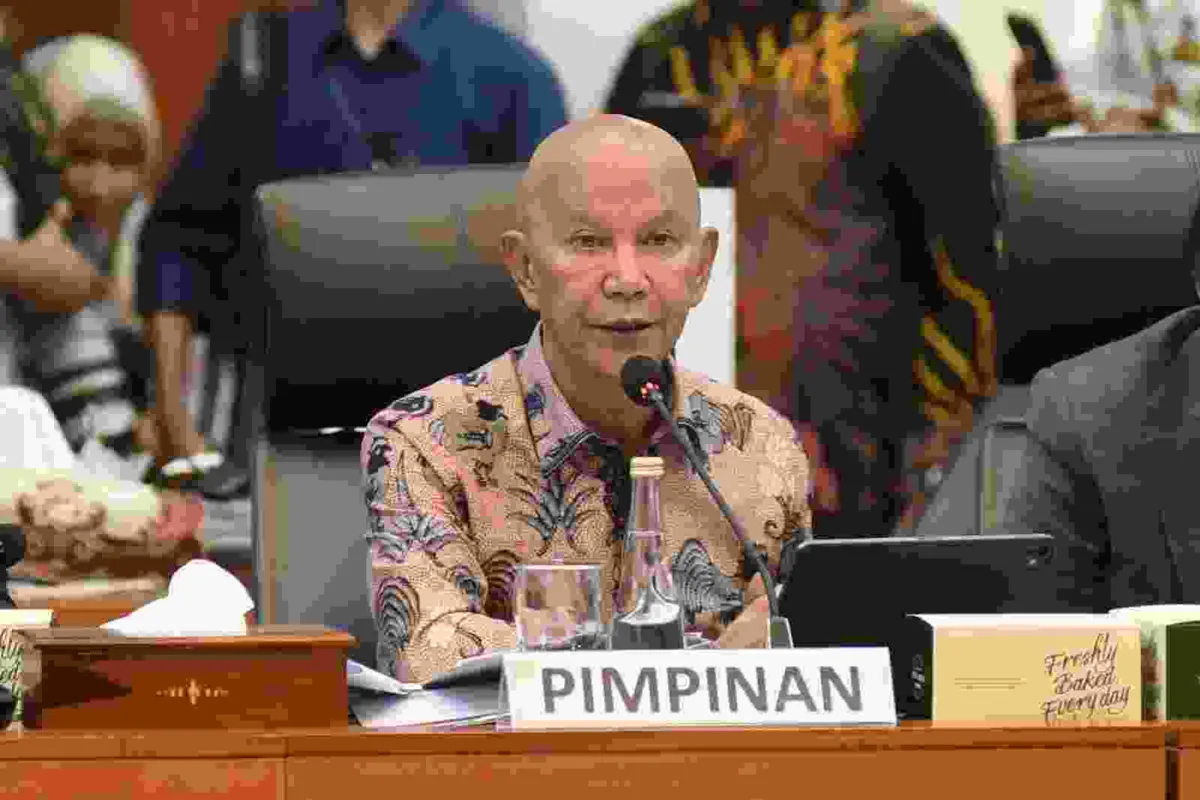
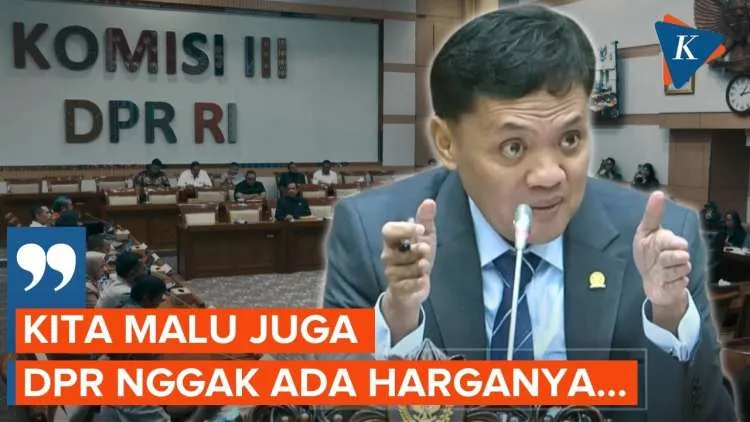
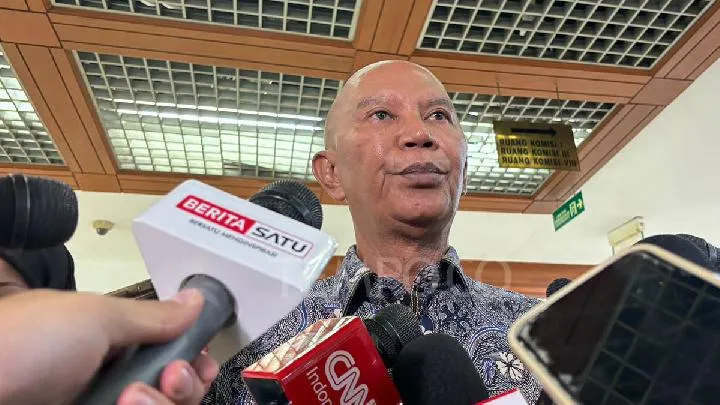
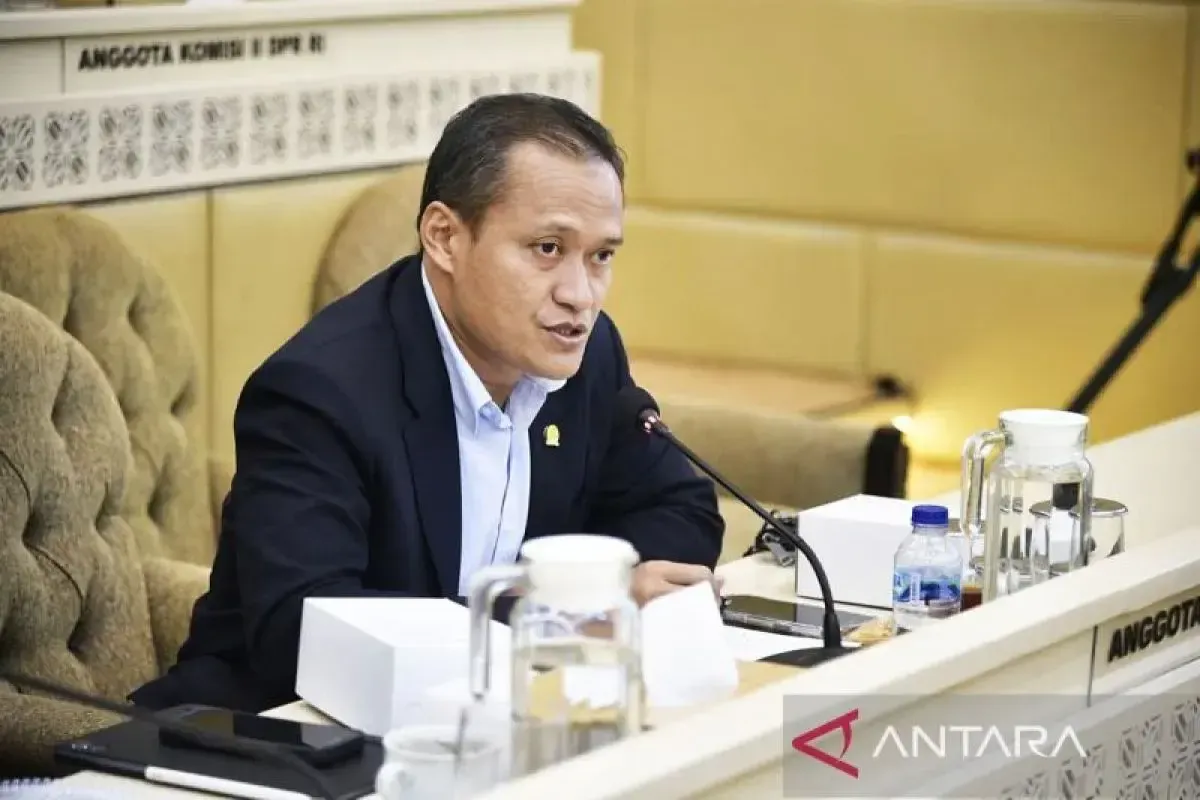
inp.polri.go.id - Jakarta. Azis Subekti, a member of Commission II of the Indonesian House of Representatives (DPR), stated that the narrative separating the Free Nutritious Meals program from children's education is false, because it pits two interests that are essentially aligned.
This narrative, he said, makes it seem as if the nation must choose between being full and being intelligent, between the body and the mind. In fact, education collapses when we allow children to learn while hungry.
"The recurring fallacy is equating 'part of the education budget' with 'taking from basic educational needs.' This is not just a technical error, but a deliberately simplified interpretation," Azis said in Jakarta on Friday (2/27/2026).
He believes the uproar surrounding the education budget and the nutritious meal program has led to the narrative of hundreds of trillions of rupiah being pushed into the public sphere as if there is a violation of rights, an erosion of basic needs, and even a betrayal of the future of education. However, he said, the issue is not that simple.
"The state budget is not a political pamphlet. It operates with structures, classifications, and logic that are often emotionally unfriendly," he said.
Within the framework of the education budget, he explained that the state not only funds classrooms, books, or teachers' salaries, but also all the prerequisites for children to learn as whole human beings.
"This is where the nutritious meal program comes in; not as a replacement, let alone a cut, but as a support," he said.
According to him, the state's efficiency policy does not involve cutting rights that are effective and impactful to the community, but rather correcting suboptimal spending from various items and redirecting it to programs deemed to have a direct impact.
When the state budget increases, he explained, the constitutionally mandated 20 percent allocation for education automatically increases. Therefore, when the need for nutritious meal programs increases due to the increase in beneficiaries, the budget is allocated within the education framework.
(ad/inp/pr/rs)